


Red illite clay is a rock composed of silica and iron oxides: Properties and benefits
For the skin: It gently absorbs excess sebum and impurities, stimulates microcirculation and gives an instant «healthy glow».
Who is it for? Ideal for combination, dull, tired, sensitive or redness-prone (rosacea) skin that does not tolerate green clay well. [1, 2, 3]
For hair: Used as a hair mask, it is ideal for dark, brown and red hair, reviving its shine and adding volume. [1, 2]
Face mask: When mixed with water or a hydrosol (such as helichrysum), it should be applied in a thick layer for 10 minutes. Please note: Never let the clay dry out completely on your skin (spray it with water if it starts to feel tight). [1]
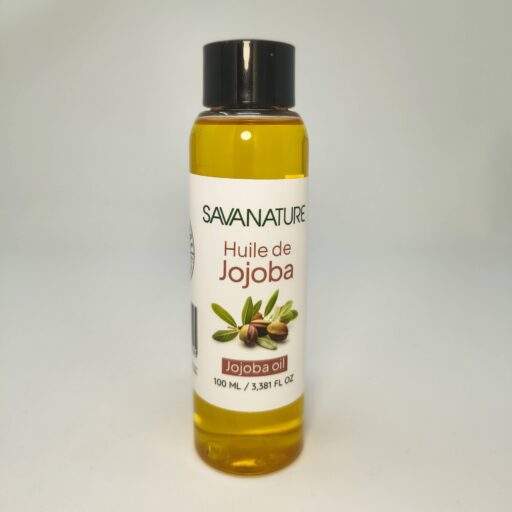
Choosing ‘illite red clay’ means following in Cleopatra’s footsteps. Indeed, the Queen of Egypt is said to have used it in her skincare balms. Composed of’illiteRed clay is particularly rich in iron oxide and trace elements, making it the 'healthy glow' clay par excellence. Red clay also has the property ofimprove blood microcirculation. Its benefits. Cleansing, purifying and invigoratingRed clay is used on the skin as on the hair. In all cases, it will eliminate impurities and restore radiance. Benefits of red clay for the skin. Use as mask once a week or in pulseRed clay restores radiance to all skin types, but it is particularly recommended for the following skin types normal, sensitive and redness-prone skin or couperose. A bath Clay will also purify, remineralise and soften the skin: dilute one sachet (200 g) in your bath water and relax in it for around twenty minutes, then rinse off. Benefits of red clay for the hair. On the hair, red clay absorbs excess sebum, removes impurities and purifies the scalp. The colour is intended for brown and red hairIt will make your hair more supple and shiny, while adding volume. Red clay can be used to hair mask, Simply dilute in a little mineral water. Three recipes for homemade masks using red clay Red clay radiance mask. For a revived complexion: Mix 1 tablespoon red clay with 3 drops of jojoba (or argan) oil and mineral water, until you obtain a homogeneous paste. Another possible recipe is based on 2 tablespoons of red clay and geranium bourbon hydrosol. Apply to the face and leave on for 15 minutes before rinsing thoroughly. Red clay hair mask. For dry hair: Dilute 4 teaspoons red clay in a little spring water, then add 2 drops of peppermint essential oil, 2 more drops of ylang ylang essential oil and more rosemary essential oil. Apply directly to the scalp, massaging gently, and leave on for 30 minutes before rinsing thoroughly. Revitalising mask. For sensitive skin: Prepare a homogeneous paste with 30 g of red clay, 3 tablespoons of’rose water, Combine 1 teaspoon of jojoba powder, 2 drops of rose essential oil, 2 drops of chamomile essential oil and a little mineral water. Apply to the face and leave on for fifteen minutes. Spray on a little water or floral water if the clay dries out too much. Risks, precautions and contraindications of red clay. Externally, red clay has no particular contraindications. Simply avoid using plastic, iron or oxidisable metal utensils for your preparations. Storage instructions. If possible, red clay should be stored in its original packaging, away from air, light and moisture. Close the pack tightly after use. There is no expiry date.
Reviews
There are no reviews yet.